

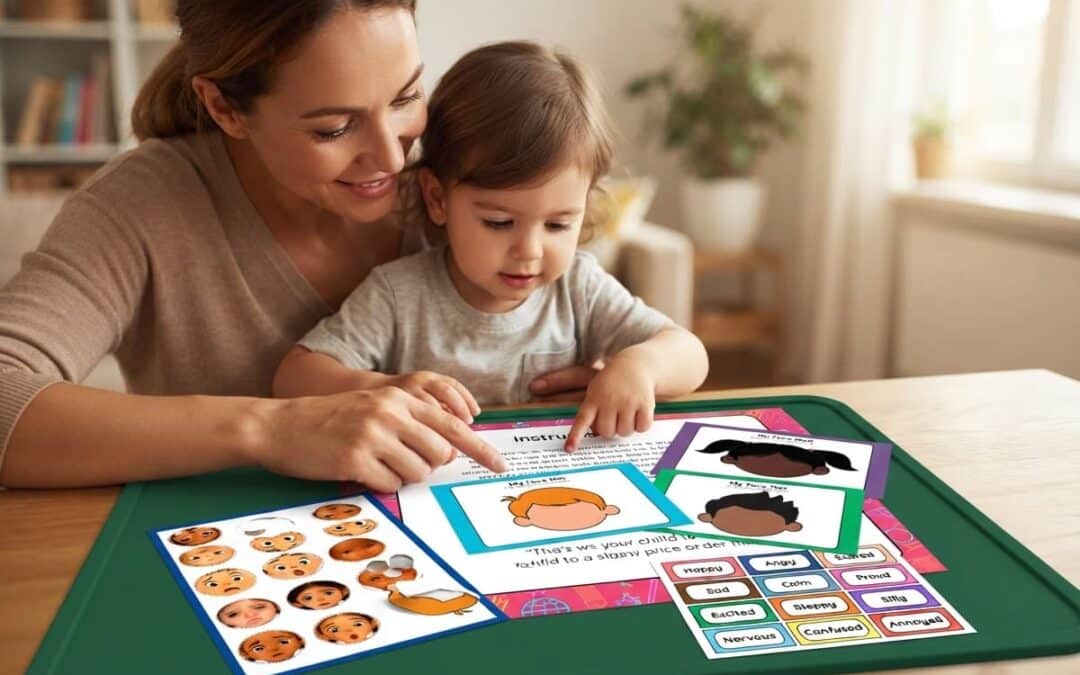
Is your child about to embark on the exciting journey of starting school? As a parent, you may be wondering how you can best support them during this new chapter in their lives. One important aspect to consider is their emotional regulation skills. The ability to understand and manage one’s emotions is crucial for a successful transition into school life. In this article, we will explore some practical ways in which you can help your child develop these skills, setting them up for a positive and emotionally balanced start to their educational journey.
Understanding Emotional Regulation
Emotional regulation refers to the ability to manage and control one’s emotions in a healthy and appropriate manner. It involves recognizing and understanding emotions, and then responding to them in a balanced way. For children, emotional regulation is especially important as it lays the foundation for their social and emotional development.
Why are emotional regulation skills important for children?
Emotional regulation plays a vital role in children’s overall well-being and success in life. It helps them navigate their emotions and develop resilience, self-control, and empathy. By learning to regulate their emotions, children can better cope with challenges, build positive relationships, and focus on tasks. Additionally, emotional regulation sets the stage for healthy emotional expression, which is crucial for maintaining mental and emotional health.
Identifying Emotions
Teaching your child to recognize and label emotions is an essential step in promoting emotional regulation. Start by creating a safe and open environment where your child feels comfortable expressing their feelings. Encourage them to use words to describe their emotions, such as happy, sad, angry, or scared.
Additionally, you can use picture books or visual aids to help your child identify different emotions. Point out facial expressions or body language that correspond to specific emotions. This can enhance their emotional vocabulary and increase their awareness of different feelings.
Encouraging open conversations about feelings
To foster emotional regulation, it is crucial to establish a culture of open conversations about feelings within your family. Create a safe space where your child feels comfortable sharing their emotions without judgment or criticism. Regularly check in with your child and ask them how they are feeling.
When your child expresses their emotions, listen actively and validate their feelings. Reflect back to them what you understand they are experiencing, using phrases like, “It seems like you’re feeling sad because…” This validation helps them develop a deeper understanding of their emotions and promotes emotional literacy.
Teaching Coping Strategies
Equipping your child with coping strategies empowers them to regulate their emotions effectively. Here are three practical techniques you can teach your child:
Deep breathing exercises
Deep breathing exercises are a simple yet effective way to calm the mind and body. Teach your child to take slow, deep breaths in through their nose and out through their mouth. You can make it fun by using visual cues like pretending to smell a flower and blow out a candle. Encourage your child to practice deep breathing when they are feeling overwhelmed or anxious.
Counting to calm down
Counting can help distract a child from intense emotions and redirect their focus. Teach your child to count slowly to ten or use counting as a grounding technique. For example, they can count the objects in their surroundings or the sounds they hear. This gives them a sense of control and allows them to become more present.
Using positive self-talk
Positive self-talk involves using uplifting and encouraging words to comfort oneself during challenging moments. Teach your child to replace negative thoughts or self-criticism with positive affirmations. For example, if they make a mistake, they can say, “It’s okay, everyone makes mistakes. I will try again.” Encourage your child to practice positive self-talk regularly to build resilience and self-esteem.
Promoting Healthy Emotional Expression
Creating a safe and supportive environment is essential for your child to express their emotions in a healthy way. Here are two strategies to promote healthy emotional expression:
Creating a safe and supportive environment
Make sure your child feels safe and supported in expressing their emotions. Avoid dismissing or belittling their feelings, even if they seem trivial to you. Instead, provide empathy and understanding. Assure your child that their emotions are valid and acceptable. This creates an environment where they feel comfortable sharing their innermost thoughts and feelings.
Encouraging creative outlets for emotions
Engaging in creative activities can be a powerful outlet for emotional expression. Encourage your child to draw, paint, write, or engage in any other creative activity they enjoy. This allows them to externalize their emotions in a constructive way. Additionally, involving them in activities like dancing, singing, or acting can provide a physical and emotional release.
Developing Empathy and Social Awareness
Empathy and social awareness are crucial skills for emotional regulation. By teaching your child to understand and relate to others’ emotions, you help them develop these skills. Here are two strategies to promote empathy and social awareness:
Teaching empathy through stories and role-playing
Reading books or storytelling can be a great way to cultivate empathy in children. Choose books that explore different emotions and situations where characters experience challenges. Discuss the characters’ feelings and perspectives, and ask your child how they think the characters might be feeling. Role-playing with stuffed animals or dolls can also help your child practice empathy and problem-solving skills.
Teaching social skills through playdates and group activities
Arrange playdates or group activities for your child where they engage with peers. These interactions provide opportunities to practice social skills, such as taking turns, sharing, and resolving conflicts. Guide your child in navigating social situations and help them understand others’ perspectives. This fosters empathy and social awareness while promoting healthy relationships with peers.
Establishing Routines and Predictable Environments
Having a structured daily routine and creating a calm and quiet space can significantly support emotional regulation. Consider the following strategies:
Creating a structured daily routine
Children thrive on predictability, so establishing a consistent daily routine can promote emotional stability. Include designated times for activities, such as meals, play, learning, and rest. Communicate the routine to your child through visual schedules or charts, allowing them to anticipate and prepare for each activity.
Designating a calm and quiet space
Set aside a designated space in your home where your child can retreat to when feeling overwhelmed or in need of quiet time. This space should be free from distractions and provide a sense of safety and tranquility. Fill it with comfort items like pillows, blankets, or stuffed animals. Encourage your child to use this space whenever they need a break or time to self-regulate.
Encouraging Emotional Regulation Through Play
Play is a powerful tool for teaching and practicing emotional regulation. Incorporate the following strategies into your child’s playtime:
Engaging in pretend play to explore different emotions
Encourage your child to engage in pretend play where they can explore and role-play different emotions. Provide props or dress-up clothes that represent different characters or feelings. This allows them to experiment with expressing and managing various emotions in a safe and controlled environment.
Using games and toys to practice self-regulation
Introduce games and toys that require your child to practice self-regulation skills. For example, board games with rules or puzzles that require patience and focus. Engage in these activities together and emphasize the importance of taking turns, managing frustration, and persevering through challenges. This helps your child associate play with emotional regulation.
Modeling Emotional Regulation
As a caregiver, you have a significant influence on your child’s emotional development. Modeling healthy emotional responses and demonstrating appropriate ways to handle frustration or disappointment can teach your child invaluable skills. Here are two important aspects of modeling emotional regulation:
Demonstrating healthy emotional responses
Be mindful of how you react to your own emotions and situations. Model healthy emotional responses by expressing your feelings in a calm and constructive manner. For instance, instead of reacting with anger, take a deep breath, and explain your emotions in a controlled manner. This demonstrates to your child that it is normal to experience different emotions and that they can be managed effectively.
Showing appropriate ways to handle frustration or disappointment
Children learn from observing others, so it is crucial to show them appropriate ways to handle frustration or disappointment. When facing challenges, remain calm and resilient, and demonstrate problem-solving strategies. Show your child how to break tasks into smaller, manageable steps or seek help when needed. This teaches them that setbacks are a part of life and can be overcome with patience and perseverance.
Seeking Professional Support if Needed
Recognizing when additional help may be necessary is an important aspect of supporting your child’s emotional regulation. If you notice persistent difficulties or extreme emotional reactions, it may be beneficial to consult a child psychologist or therapist. They are trained professionals who can provide guidance and support tailored to your child’s specific needs.
Building Resilience and Self-esteem
Building resilience and self-esteem is an ongoing process that fosters emotional regulation. Here are two strategies to promote resilience and self-esteem in your child:
Promoting a growth mindset
Encourage your child to adopt a growth mindset, which is the belief that abilities and intelligence can be developed through effort and perseverance. Emphasize the importance of learning from mistakes and embracing challenges as opportunities for growth. This mindset cultivates resilience and helps your child see setbacks as temporary rather than defining.
Celebrating achievements and effort
Celebrate your child’s achievements, no matter how small, and acknowledge their effort throughout their emotional regulation journey. Praise their progress in managing emotions, implementing coping strategies, or showing empathy. By recognizing their efforts, you boost their self-esteem and reinforce the importance of emotional regulation as a valuable skill.
In conclusion, developing emotional regulation skills in children is a fundamental aspect of their overall well-being and success. By understanding and addressing their emotions, teaching coping strategies, promoting healthy expression, and fostering empathy, parents can effectively support their child’s emotional regulation. Through modeling, creating structured environments, incorporating play, and seeking professional support when needed, parents can empower their children to navigate and regulate their emotions confidently. Building resilience and self-esteem further ensures that children are equipped with the tools to thrive emotionally and socially.

Meet Fiona da Rocha, a trailblazer in education with over two decades of expertise. At the heart of her mission to transform early education, Fiona empowers parents and teachers to ignite a passion for learning in children aged 3-9. Her approach? Joyful, child-led experiences that build confidence and foster talent exploration. Discover how she’s making learning a thrilling adventure at FionaDaRocha.com-where education meets empowerment and enthusiasm.