


Separation anxiety in preschoolers is common but manageable. Here’s how to help your child feel more secure and confident during this transition:
Key Strategies:
- Create predictable routines: Morning and evening schedules provide structure and reduce stress.
- Practice short separations: Gradually build your child’s confidence by practicing goodbyes.
- Introduce the preschool early: Visit the classroom and meet teachers before the first day.
- Use comfort items: Let your child bring a familiar toy, blanket, or photo for reassurance.
- Keep goodbyes short and upbeat: Avoid sneaking out or lingering too long during drop-offs.
Signs to Watch For:
- Clinginess, tantrums, or physical complaints (like stomachaches).
- Excessive worry about being apart from family.
- Trouble sleeping or nightmares about separation.
If anxiety persists for more than four weeks, consider seeking professional support. Early planning and consistent routines can make the transition smoother for both you and your child.
This Helped Solve My Toddler’s Separation Anxiety
Getting Ready for Preschool
Preparing for preschool can help ease separation anxiety for both parents and children. A little planning and structure can make this transition smoother and more manageable.
Setting Daily Schedules
Having a consistent routine helps children feel secure and prepared. Dr. Indumathi Bendi explains, "Carrying out routine activities reduces stress by making the situation appear more controllable and predictable".
Morning Routine Ideas:
- Set a wake-up time that matches the school schedule.
- Encourage your child to dress themselves.
- Establish a bathroom routine.
- Serve a healthy breakfast.
- Help them pack their backpack.
Evening Routine Suggestions:
- Stick to a regular bedtime.
- Include bath time as part of the wind-down process.
- Read a story together.
- Lay out clothes for the next day.
These routines help children adapt to the structure they’ll encounter at preschool.
Practice Visits and Introductions
Introducing your child to the preschool environment in advance can reduce anxiety. Pathways.org advises: "If you suspect your child will display signs of separation anxiety, arrange a preschool visit and meeting with teachers before school starts. This way they’ll know who will be greeting them in the morning, and they will be more comfortable in the building and classroom".
Tips for Effective Visits:
- Plan several short visits to the classroom.
- Allow your child to explore the space at their own pace.
- Introduce them to teachers and staff members.
- Attend any scheduled orientations.
- Practice short separations during these visits to build their confidence.
These strategies can help your child feel more at ease when the first day arrives.
Using the Fionadarocha School Readiness Checklist
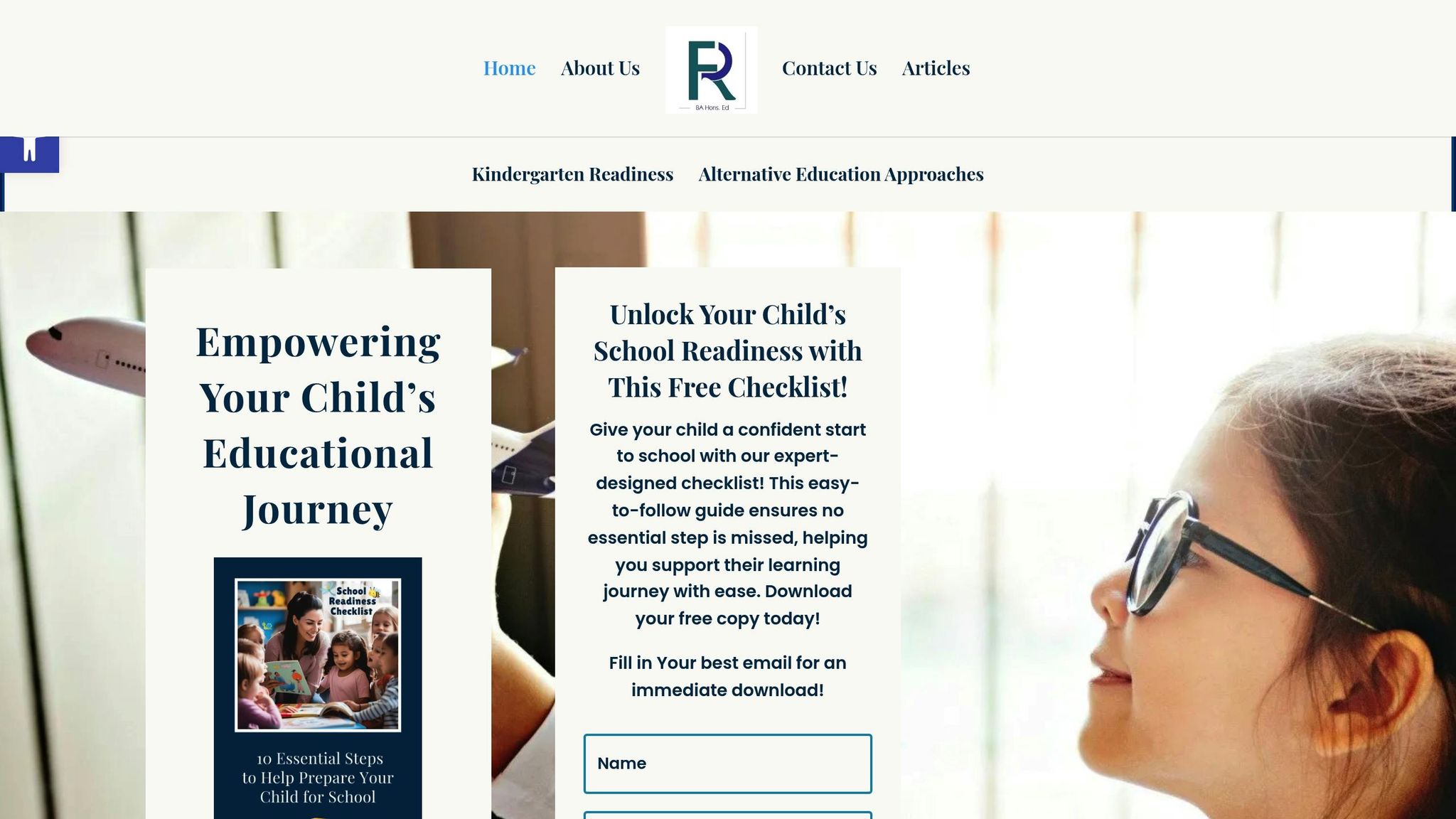
The Fionadarocha School Readiness Checklist outlines key areas to focus on when preparing your child for preschool. Here’s a breakdown:
| Preparation Area | Tasks to Complete |
|---|---|
| Physical Health | Schedule medical check-ups and update immunizations. |
| Social Comfort | Practice sharing, taking turns, and arrange playdates. |
| Independence Skills | Teach self-care skills and bathroom independence. |
| Emotional Readiness | Talk about feelings and practice saying goodbye. |
| Practical Needs | Purchase supplies and label all belongings. |
Extra Preparation Tips:
- Let your child pick out their own backpack or lunchbox – it adds a fun, personal touch.
- Use a visual schedule to practice daily routines, including packing lunches.
- Create a special goodbye ritual to make drop-offs easier.
These steps can help your child feel confident and ready to embrace their preschool adventure.
Making Drop-Offs Easier
Drop-off time can be tough for both parents and children. It’s a moment that tests emotional security and independence, building on earlier strategies to help kids adjust to preschool life. These tips focus on making the separation process smoother and less stressful.
Simple Goodbye Routines
Having a predictable goodbye routine can make all the difference. It helps children feel secure and reassured during the separation. As one expert explains:
"Goodbye rituals for toddlers should leave them feeling secure and confident, knowing that they are safe and that you’ll be coming back".
Here are some ideas for quick and comforting goodbyes:
- Create a special handshake or dance.
- Share a quick hug and kiss.
- Wave from a favorite spot, like a window.
- Use a comforting phrase, such as "See you after snack time!"
Keep goodbyes short and upbeat. Avoid sneaking out or lingering too long, as this can make children feel uneasy. Sticking to the same routine each day helps kids know what to expect.
Comfort Objects from Home
Bringing a familiar item from home can ease the transition. The American Academy of Pediatrics highlights the importance of these objects:
"Security objects are part of the emotional support system every child needs in their early years".
This could be a favorite toy, a family photo, or a special blanket. These items create a comforting link between home and school. Professor Frank Oberklaid notes:
"For some kids, the thought of separation from something at any time is so traumatic that by all means let them take it. For others, you can reason with them and tell them Teddy will be in their room when they get home".
In addition to comfort items, working closely with teachers can help make the process easier.
Working with Teachers
Partnering with teachers is key to a smooth drop-off. Early learning teacher Mckeeba L. from North Carolina shares her approach:
"I would be at the door for support, and Mom would give words of reassurance with lots of hugs and kisses. Mom would stay until the essential morning routines were completed. Some days did not go as smoothly as others. If Mom needed support, she would use a specific action word to signal me to jump in with words of reassurance followed by hugs and kisses".
Here are some ways to improve parent-teacher communication:
| Communication Area | Action Steps |
|---|---|
| Morning Updates | Let teachers know how your child slept or ate. |
| Comfort Strategies | Share what helps your child feel calm. |
| Signal Words | Agree on specific phrases for extra support. |
| Progress Updates | Ask for regular feedback on how your child is adjusting. |
Teachers can also help by greeting children warmly and shifting their focus to fun activities planned for the day.
sbb-itb-af3629d
Making the Classroom Feel Safe
Creating a secure and welcoming classroom is essential for helping children handle separation anxiety. When kids feel comfortable and protected at school, they’re more likely to engage in activities and develop meaningful relationships with both teachers and classmates.
Quiet Spaces for Children
Having a calming space in the classroom offers children a place to retreat when they feel overwhelmed. Often referred to as "cozy corners" or "peace spaces", these areas help kids regulate their emotions.
| Element | Recommended Items | Purpose |
|---|---|---|
| Comfort Items | Bean bags, soft cushions, plush toys | Provide physical comfort |
| Sensory Tools | Bubble wands, squeeze toys, sand timers | Support emotional regulation |
| Visual Aids | Calming posters, emotion charts, nature artwork | Encourage self-expression |
| Sound Elements | Soft instrumental music, nature sounds | Offer auditory relaxation |
"Sometimes children listen to what a puppet has to say before anyone else."
Beyond creating physical comfort, encouraging peer connections also helps build a positive and supportive classroom environment.
Making Friends in Class
Just as routines and familiar objects help ease morning separations, a classroom that nurtures friendships supports children throughout the day. Building friendships reduces anxiety by creating a sense of belonging and support.
"Creating a welcoming environment and building positive relationships with children is key in making them feel secure and confident in their new surroundings."
Here are some strategies to encourage friendships:
- Pair children through a buddy system to help them bond early on.
- Plan collaborative projects to promote teamwork.
- Model and teach positive social behaviors.
- Cultivate an inclusive atmosphere where everyone feels valued.
One teacher highlights the importance of encouraging respectful relationships among peers:
"I call them friends because I want them to be friends. They’re in preschool, and they’ll probably be together through eighth grade. That’s a long time to go to school with someone you don’t like. While they won’t all be close, I do want them to at least treat each other like friends."
To strengthen social connections, consider organizing preschool playdates or setting up a family buddy system. These activities allow children to get to know their peers before the school year begins, making the transition smoother and fostering a sense of community.
Helping Children Adjust Over Time
Helping children settle into preschool takes patience and steady support. While some kids may feel at ease quickly, others might need weeks – or even longer – to feel comfortable in their new surroundings.
Noting Progress
Keep an eye on your child’s progress to celebrate milestones and identify areas where they might need extra help. Here’s what to watch for:
| Progress Indicator | What to Look For | Positive Signs |
|---|---|---|
| Morning Routine | Drop-off behavior | Less crying and more willingness to join activities |
| Social Interaction | Peer relationships | Making friends and engaging in group play |
| Daily Activities | Classroom engagement | Following routines and completing tasks |
| Emotional Expression | Coping skills | Using words to express feelings and self-soothing |
Stay connected with your child’s teachers to get regular updates on how they’re adjusting.
"It’s only natural for kids to feel anxious when saying goodbye to their parents. In fact, separation anxiety is a normal part of child development."
If challenges persist even as some progress is made, it might be time to dig deeper.
When to Get Extra Help
If your child continues to struggle after four weeks, consider seeking professional support. Be on the lookout for these signs:
- Frequent physical complaints like headaches or stomachaches
- Behavioral changes, such as regular panic attacks or severe tantrums
- Ongoing resistance to attending preschool
- Persistent fear of being alone or separated from family
For more serious separation anxiety, options like cognitive behavioral therapy, family counseling, or working with both healthcare providers and school staff can be effective. Acting early can make a big difference, so collaborate with your child’s doctor and school to develop a tailored plan that addresses their specific needs.
Conclusion: Main Points to Remember
When dealing with preschool separation anxiety, focusing on clear strategies and a supportive approach can make a big difference. Here’s a quick recap:
Key Strategies:
- Create predictable morning drop-off routines.
- Keep goodbyes short and upbeat.
- Offer familiar comfort items when needed.
- Communicate regularly with teachers for updates and support.
Helping with Transitions:
- Introduce your child to the preschool environment ahead of time.
- Practice short separations to build confidence gradually.
- Set clear and consistent pickup routines.
- Acknowledge your child’s emotions while staying positive.
"It’s only natural for kids to feel anxious when saying goodbye to their parents. In fact, separation anxiety is a normal part of child development."
Every child develops at their own pace. If anxiety continues for several weeks despite consistent efforts, seeking professional advice can provide additional tools to support your child and strengthen the parent-child connection.
Working Together:
- Collaborate with teachers using checklists and regular feedback.
- Monitor progress with tools like the Fionadarocha School Readiness Checklist.
- Celebrate achievements while keeping routines steady.
- Show confidence and a positive outlook to reassure your child.
Open and honest communication with your child helps build trust and reduce anxiety. A mix of structured routines, clear expectations, and strong relationships lays the groundwork for a smoother preschool experience.
Related posts
- How to Create an Effective Learning Space at Home
- School Readiness Guide: Key Skills for Kindergarten Success
- 8 Signs Your Child is Ready for Kindergarten
- Common Questions About Preschool Social Development

Meet Fiona da Rocha, a trailblazer in education with over two decades of expertise. At the heart of her mission to transform early education, Fiona empowers parents and teachers to ignite a passion for learning in children aged 3-9. Her approach? Joyful, child-led experiences that build confidence and foster talent exploration. Discover how she’s making learning a thrilling adventure at FionaDaRocha.com-where education meets empowerment and enthusiasm.