

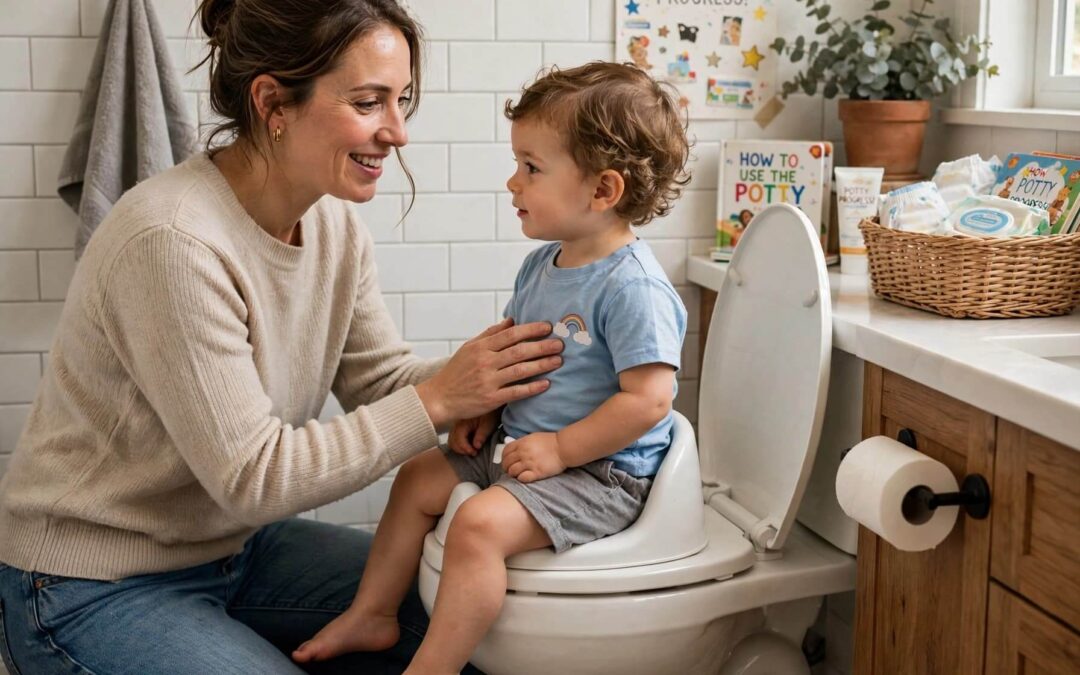
 In the journey of toilet training, fostering independence is key to success. Empowering your child to take ownership of their bodily functions not only boosts their confidence, but also sets them on the path towards self-reliance. But how exactly can you encourage this independence? From establishing a routine to praising their efforts, this article explores practical tips and strategies that will help you navigate this important stage of your child’s development. So get ready to bid farewell to those diapers and embark on an exciting adventure towards independence in toilet training!
Setting the Stage
To begin the process of toilet training, it is important to introduce the concept of using the potty to your child. Start by explaining in simple terms what the potty is for and how it is different from wearing diapers. You can use storybooks or videos that illustrate the process to make it more relatable and engaging for your little one.
Creating a comfortable and accessible toilet environment will also help your child feel at ease during this transition. Ensure that the toilet seat is the right size for your child and consider using a stool to provide stability and help them reach the sink for handwashing. Decorate the bathroom with fun and colorful prints or stickers to make it a place your child enjoys spending time in.
Recognizing Signs of Readiness
Before starting toilet training, it is essential to recognize the signs of readiness in your child. Pay attention to both physical and emotional/cognitive cues that indicate they are ready to take this step.
Appropriate age range for toilet training readiness
While every child is unique and may develop at different rates, the general age range for toilet training readiness is between 2 to 3 years old. However, it is important to note that this can vary for each child. Some children may show readiness signs earlier, while others may take a bit longer to develop the necessary skills and readiness for toilet training.
Physical signs of readiness include the ability to stay dry for at least two hours, regular bowel movements, and showing an interest in using the toilet or wearing underwear. Emotional and cognitive signs include your child expressing a desire to wear “big kid” underwear, understanding and following simple instructions, and showing independence in other areas of daily routines.
Establishing a Routine
Consistency is key when it comes to toilet training. Establish a regular routine by designating specific toilet times throughout the day. This could be after meals, upon waking up, or before bedtime. Make sure to stick to these times as much as possible to help your child develop a predictable schedule.
Developing a reward system can also be highly motivating for your child. Create a chart or use stickers to track successful toilet visits and offer a small reward or praise for each achievement. This positive reinforcement will encourage your child and make the process more enjoyable.
Encouraging Independence
One effective way to encourage independent toileting is by letting your child take the lead. Allow them to express their preferences regarding potty seats, toilet paper, or even choosing their own underwear. This sense of autonomy will boost their confidence and foster their independence.
Promoting self-dressing skills is another crucial aspect of independence in toilet training. Teach your child how to pull up and down their pants or underwear, and provide them with clothing that is easy to manage. Practice this skill during non-toilet times, such as dressing and undressing for bed, to reinforce their ability to do it on their own.
Teaching proper hygiene practices is equally important as part of the toilet training process. Show your child how to properly wipe themselves, wash their hands thoroughly, and flush the toilet. Reinforce the importance of cleanliness and make it a fun and interactive experience.
Using Positive Reinforcement
One of the most effective ways to encourage independent toileting is through praise and positive reinforcement. Let your child know that you are proud of their efforts and progress. Applaud their achievements, such as sitting on the potty or successfully using the toilet, and highlight their growth throughout the process.
Offering small rewards can also be a great motivator for your child. This can be something as simple as a sticker, a small toy, or a special treat. The rewards should be immediate and directly related to their successful toilet use. Over time, as your child becomes more comfortable with independent toileting, gradually reduce the reliance on rewards and focus more on verbal praise and positive reinforcement.
Celebrating successes is a crucial aspect of using positive reinforcement. Make a big deal out of each milestone your child reaches, whether it’s their first successful attempt at using the toilet or staying dry throughout the night. Celebrate their achievements together as a family, offering hugs, high fives, or even planning a special outing or treat to commemorate their progress.
Dealing with Accidents
Accidents are a normal part of the toilet training process, and it is important to handle them calmly and supportively. Stay calm and assure your child that it is okay and accidents happen to everyone. Reassure them that they will get better with time and practice.
Avoid punishment or shame when accidents occur. Never scold or shame your child for having an accident, as this can lead to feelings of embarrassment and hinder their progress. Instead, focus on teaching them how to recognize the signs of needing to use the toilet and reinforce the importance of asking for help or using the potty next time.
Help your child clean up after an accident in a gentle and compassionate way. Guide them through the process of changing their clothes or cleaning themselves up, emphasizing that accidents are part of learning and growing. Remember to maintain a positive attitude and use the incident as a teachable moment, rather than a point of frustration.
Managing Setbacks and Regression
Setbacks and regression are common during the toilet training process, and it is important to understand and address them appropriately. Common setbacks can include accidents after a period of successful toilet use or a sudden refusal to use the potty.
When faced with setbacks, take a step back and reassess your child’s readiness cues. They may need more time to develop their skills or may require additional support or encouragement. Modify the approach if necessary and be patient with your child as they navigate this learning experience.
Remember that each child is unique, and what works for one may not work for another. Be flexible and adaptable, adjusting your strategies and techniques to meet your child’s needs. By remaining patient and positive, you will help your child regain their confidence and continue progressing on their toilet training journey.
Promoting Independence Outside the Home
Toilet training independence extends beyond the home, so it is essential to prepare your child for using public restrooms and navigating toileting while outside.
Using public restrooms can be intimidating for young children, so practice with them beforehand. Show them how to handle public restroom doors, where to find toilet paper, and how to maintain cleanliness in these public spaces. Offer reassurance and guidance during these initial experiences to help your child feel more comfortable and confident.
When planning outings and travel, include toilet breaks in your itinerary. Make sure to schedule regular toilet visits during long car rides, at rest stops, or in public spaces like parks or shopping centers. Provide your child with a portable potty training seat or make them familiar with using public toilets with step stools.
It is crucial to pack essentials for accidents when outside the home. Carry spare underwear, wipes, and plastic bags to manage any accidents that may occur. Being prepared for these situations will help both you and your child feel confident and minimize the stress associated with accidents outside the home.
Seeking Professional Guidance
If you encounter challenges or are unsure about how to proceed with toilet training, don’t hesitate to seek professional guidance. Consulting a pediatrician or child psychologist can provide valuable insights and strategies tailored to your child’s unique needs.
Seeking advice from experienced parents can also be beneficial. Talk to friends, family members, or support groups where you can gain insights and learn from their experiences. They may have encountered similar challenges and can offer practical tips and reassurance.
Consider specialized toileting programs that focus on toilet training and independence. These programs are often led by professionals who specialize in child development and can provide valuable guidance and support throughout the process. Research reputable programs in your area and explore their offerings to determine if they align with your child’s needs.
Patience and Positive Attitude
Toilet training is a process that requires patience and a positive attitude. Every child is unique, and they will progress at their own pace. Avoid placing unnecessary pressure on your child or yourself, as this can lead to stress and setbacks.
Maintain a positive attitude throughout the entire toilet training journey. Celebrate every small milestone, no matter how minor it may seem. Recognize and acknowledge your child’s efforts, reinforcing their achievements and building their self-esteem. By fostering a positive and supportive environment, you will create the optimal conditions for your child’s success in independent toileting.
Toileting is just one milestone on the road to a confident school start. For a warm, practical guide to the rest of the journey, you are welcome to my free Confident Beginnings Starter Kit.

Meet Fiona da Rocha, a trailblazer in education with over two decades of expertise. At the heart of her mission to transform early education, Fiona empowers parents and teachers to ignite a passion for learning in children aged 3-9. Her approach? Joyful, child-led experiences that build confidence and foster talent exploration. Discover how she’s making learning a thrilling adventure at FionaDaRocha.com-where education meets empowerment and enthusiasm.