

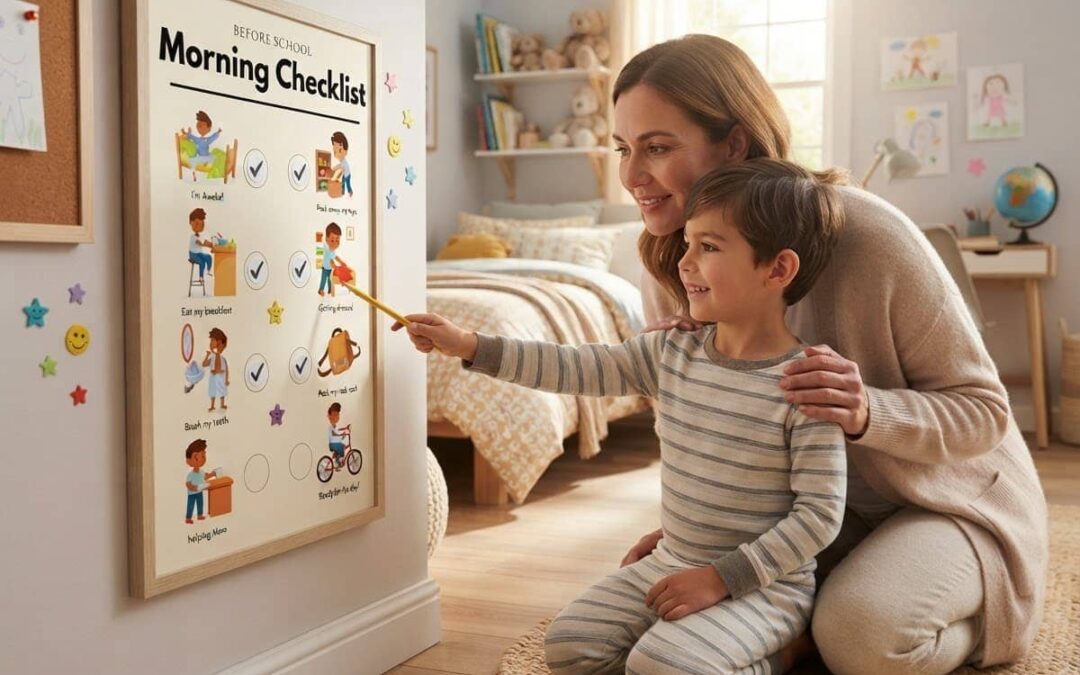
In this article, we will explore the fascinating link between parenting styles and school readiness outcomes. We will delve into the question of whether certain approaches to parenting can have a positive impact on a child’s preparedness for the school environment. By examining various studies and expert opinions, we will uncover valuable insights that can help parents navigate the complex realm of raising children and set them up for success in their academic pursuits. So, if you’ve ever wondered how your parenting style might influence your child’s readiness for school, grab a cup of tea and join us on this enlightening journey.
Parenting Styles and School Readiness
School readiness is a crucial aspect of a child’s development. It refers to a child’s preparedness to transition into the educational environment and thrive academically, socially, and emotionally. Parenting styles play a significant role in shaping a child’s school readiness outcomes. Different parenting styles have distinct characteristics and can influence a child’s readiness for school in various ways.
The Impact of Parenting Styles on School Readiness
Research indicates that parenting styles have a profound impact on a child’s school readiness. The way parents interact with their children, set expectations, and provide support can shape their academic and behavioral skills, as well as their emotional development. Parenting styles can either hinder or promote a child’s readiness for school, influencing their ability to adapt to new environments, regulate emotions, solve problems, and build positive relationships with teachers and peers.
Definition and Characteristics of Parenting Styles
Parenting styles refer to the overall approach and strategies that parents use in raising their children. These styles encompass the emotional climate, discipline methods, and level of parental involvement in a child’s life. Four primary parenting styles have been identified: authoritative, permissive, authoritarian, and neglectful. Each parenting style has distinct characteristics that can significantly impact a child’s school readiness outcomes.
Research Linking Parenting Styles to School Readiness Outcomes
A growing body of research has explored the connection between parenting styles and school readiness outcomes. Studies have consistently shown that children with authoritative parents tend to display higher levels of school readiness. Conversely, children with permissive, authoritarian, and neglectful parents may face challenges in their readiness for school. These findings highlight the importance of understanding how different parenting styles can shape a child’s preparation for the educational environment.
Authoritative Parenting Style
Characteristics of Authoritative Parenting
Authoritative parents are known for their balance of warmth, responsiveness, and high expectations. They provide clear and consistent guidelines while also allowing for flexibility and autonomy. Authoritative parents nurture a strong parent-child bond and actively engage in open communication with their children. They provide guidance and support, while also encouraging independence and critical thinking skills.
How Authoritative Parenting Promotes School Readiness
Authoritative parenting has been consistently associated with positive school readiness outcomes. The supportive and nurturing environment created by authoritative parents fosters a child’s social, emotional, and cognitive development. These children are more likely to have strong self-regulation skills, the ability to follow instructions, and high levels of motivation and persistence. They also exhibit better social skills and are more confident when interacting with peers and teachers.
Research Findings on Authoritative Parenting and School Readiness
Research consistently supports the positive impact of authoritative parenting on school readiness outcomes. Numerous studies have demonstrated that children raised by authoritative parents tend to have higher academic achievement, better self-regulation skills, and improved social competence. These children are more likely to be enthusiastic learners, have a positive attitude towards school, and successfully adapt to the challenges of the educational environment.
Permissive Parenting Style
Characteristics of Permissive Parenting
Permissive parenting is characterized by low levels of control and structure, with parents being highly indulgent and lenient. Permissive parents are warm and affectionate but often lack clear expectations and consistent discipline. They tend to avoid confrontation and allow their children to make their own decisions without imposing boundaries or consequences.
How Permissive Parenting Affects School Readiness
Permissive parenting can have a negative impact on a child’s school readiness. Without clear guidelines and structure, children may struggle with self-control and following instructions. They may have difficulty in adhering to classroom rules and routines, which can impede their ability to learn and engage with academic tasks. Additionally, permissive parenting can hinder the development of important social and emotional skills, such as conflict resolution and emotional regulation.
Research Findings on Permissive Parenting and School Readiness
Research consistently highlights the detrimental effects of permissive parenting on school readiness outcomes. Children raised by permissive parents may exhibit lower academic achievement, reduced self-control, and difficulties in following directions. These children may also struggle with social interactions, experiencing challenges in forming positive relationships with peers and teachers. Ultimately, the lack of structure and clear expectations associated with permissive parenting can hinder a child’s readiness to fully participate in the school environment.
Authoritarian Parenting Style
Characteristics of Authoritarian Parenting
Authoritarian parenting is characterized by high levels of control, strict rules, and little room for negotiation. These parents value obedience and discipline and tend to focus on maintaining order and conformity. Authoritarian parents often have high expectations for their children but may use punishment and criticism rather than nurturing and understanding.
The Impact of Authoritarian Parenting on School Readiness
Authoritarian parenting can impact a child’s school readiness negatively. The emphasis on rules and the lack of flexibility may hinder a child’s ability to adapt to new environments and engage in independent problem-solving. These children may experience anxiety and fear of making mistakes, which can impede their confidence in the classroom. The rigid discipline and focus on obedience may also restrict their creativity and critical thinking skills.
Research Findings on Authoritarian Parenting and School Readiness
Research consistently suggests that authoritarian parenting is associated with poorer school readiness outcomes. Children raised by authoritarian parents may exhibit lower academic achievement, decreased motivation to learn, and reduced levels of creativity. Additionally, these children may struggle with communication and collaboration skills, as the strict and controlling parenting style may hinder their ability to navigate social interactions and build positive relationships with teachers and peers.
Neglectful Parenting Style
Characteristics of Neglectful Parenting
Neglectful parenting is characterized by a lack of responsiveness and involvement in a child’s life. Neglectful parents may provide for their child’s basic needs but fail to provide emotional support, guidance, and attention. They may have little knowledge of their child’s daily activities and may not prioritize their child’s well-being.
Effects of Neglectful Parenting on School Readiness
Neglectful parenting can have severe consequences for a child’s school readiness. The lack of emotional support and attention can result in low self-esteem, reduced motivation, and a lack of self-discipline. These children may struggle with building relationships and may have difficulty regulating their emotions, impacting their ability to engage in the learning process. Neglectful parenting may also lead to inconsistent school attendance and a lack of involvement in educational activities.
Research Findings on Neglectful Parenting and School Readiness
Research consistently highlights the negative impact of neglectful parenting on a child’s school readiness outcomes. Children raised in neglectful environments may exhibit lower academic achievement, poor problem-solving skills, and reduced levels of self-control. These children may also face challenges in social interactions, struggling to form relationships with peers and teachers. The lack of parental involvement and emotional support associated with neglectful parenting can significantly hinder a child’s readiness to succeed in school.
Other Factors Influencing School Readiness Outcomes
While parenting styles significantly impact a child’s school readiness, other factors also play a crucial role in determining these outcomes.
The Role of Socioeconomic Status
Socioeconomic status (SES) can influence a child’s school readiness outcomes. Children from low-income families may face additional challenges due to limited access to resources and educational opportunities. They may have fewer experiences with language development and cognitive stimulation, impacting their readiness for school. It is essential to address the socioeconomic inequities and provide support and resources to ensure all children have an equal chance to succeed.
The Influence of Parental Involvement
Parental involvement in a child’s education is a key factor in promoting school readiness. Parents who actively engage in their child’s learning, communicate with teachers, and create a supportive home environment can significantly enhance their child’s readiness for school. Parental involvement can foster strong parent-child relationships, provide academic support, and encourage positive attitudes towards learning.
The Impact of Early Childhood Education
Early childhood education programs play a vital role in promoting school readiness. High-quality preschool programs can provide children with the necessary cognitive, social, and emotional skills to succeed in school. These programs offer structured learning environments, opportunities for peer interactions, and supportive teaching methods that foster academic readiness and social development.
Cultural Considerations in Parenting Styles and School Readiness
Parenting styles and their impact on school readiness outcomes can also vary across different cultural contexts.
Cross-cultural Variations in Parenting Styles
Parenting styles can vary across cultures due to differences in values, beliefs, and cultural norms. Some cultures may place greater emphasis on obedience and respect for authority, leading to more authoritarian parenting practices. Other cultures may value individual independence and autonomy, giving rise to more permissive parenting styles. Understanding these cultural variations is crucial in recognizing and respecting diverse parenting approaches.
The Impact of Culture on School Readiness Outcomes
Culture can influence a child’s school readiness outcomes by shaping their beliefs, values, and expectations regarding education. Cultural differences in parenting styles and approaches can impact a child’s social skills, communication patterns, and attitudes towards learning. It is essential to consider cultural contexts when assessing and supporting a child’s readiness for school to ensure that interventions are culturally sensitive and appropriate.
Adapting Parenting Styles to Cultural Contexts
To promote school readiness in culturally diverse populations, it is essential to adapt parenting styles to cultural contexts. Recognizing and respecting cultural beliefs and practices can help parents and educators create a supportive environment that aligns with cultural values while also nurturing academic and social development. Collaborating with parents to understand their cultural perspectives and providing culturally relevant resources can optimize school readiness outcomes for all children.
Best Parenting Practices for Improving School Readiness
To enhance school readiness, it is crucial to incorporate best parenting practices that support a child’s overall development.
A Combination of Parenting Styles
Research suggests that a combination of authoritative and supportive parenting styles tends to yield the best school readiness outcomes. Striking a balance between warmth and high expectations helps foster a child’s academic, social, and emotional development. Incorporating elements of authoritative parenting, such as clear boundaries, consistent discipline, and open communication, while also providing emotional support and autonomy, can promote school readiness.
Importance of Consistency and Structure
Consistency and structure in parenting are essential for promoting school readiness. Providing a predictable and organized environment helps children develop self-regulation skills and adapt to the routines of the educational setting. Consistency in parenting practices, rules, and expectations allows children to understand boundaries and develop a sense of responsibility.
Emphasizing Language and Cognitive Stimulation
Language and cognitive stimulation are critical for school readiness. Parents can foster language development by engaging in frequent conversations, reading to their children, and exposing them to a variety of vocabulary and experiences. Providing cognitive stimulation, such as puzzles, games, and educational activities, helps children develop problem-solving skills and critical thinking abilities.
Supporting Social and Emotional Development
Promoting social and emotional development is crucial for school readiness. Parents can support their children’s social skills by encouraging positive social interactions, teaching empathy, and promoting conflict resolution strategies. Nurturing emotional well-being by validating and addressing emotions helps children regulate their feelings and manage stress, enhancing their readiness to engage in the learning process.
Encouraging Independence and Problem-solving Skills
Encouraging independence and problem-solving skills prepares children for the challenges of school. Parents can gradually increase their child’s autonomy, allowing them to make age-appropriate decisions and learn from their experiences. Teaching problem-solving strategies, such as breaking down complex tasks into manageable steps, helps children develop resilience and adaptability.
Parenting Programs and Interventions
Parenting programs and interventions can have a positive impact on promoting school readiness, particularly for families facing challenges.
Effective Parenting Programs for School Readiness
Evidence-based parenting programs, such as the Incredible Years and the Positive Parenting Program (Triple P), have shown positive effects on school readiness outcomes. These programs offer guidance, support, and strategies to parents, focusing on nurturing positive parent-child relationships, promoting effective discipline methods, and enhancing social and emotional development. By equipping parents with the tools and skills necessary for optimal parenting, these programs contribute to improved school readiness.
Parenting Interventions Targeting At-risk Families
Parenting interventions targeting at-risk families can be particularly beneficial in improving school readiness outcomes. These interventions aim to support parents facing socioeconomic challenges, mental health difficulties, or other risk factors that may impact their parenting practices. By providing these families with resources, support, and education, parenting interventions can mitigate the negative effects of adverse circumstances and enhance their children’s readiness for school.
The Role of Parenting Education and Support
Parenting education and support play a significant role in promoting school readiness. Providing parents with access to information, resources, and guidance through parenting classes, workshops, and support groups can empower them to make informed decisions and develop effective parenting practices. These initiatives can offer valuable insights into child development, behavior management strategies, and communication skills, ultimately enhancing a child’s readiness for school.
Conclusion
Parenting styles have a substantial impact on a child’s school readiness outcomes. Research consistently demonstrates the positive influence of authoritative parenting on a child’s academic, social, and emotional development. Conversely, permissive, authoritarian, and neglectful parenting styles can hinder a child’s readiness for school. While cultural variations exist, incorporating best parenting practices such as a combination of parenting styles, consistency, language and cognitive stimulation, social and emotional support, and problem-solving skills cultivates optimal school readiness. Parenting programs and interventions further contribute to improving school readiness outcomes, particularly for at-risk families. By recognizing the importance of parenting styles and providing necessary support, we can enhance the school readiness of children, setting them on a path towards future success.

Meet Fiona da Rocha, a trailblazer in education with over two decades of expertise. At the heart of her mission to transform early education, Fiona empowers parents and teachers to ignite a passion for learning in children aged 3-9. Her approach? Joyful, child-led experiences that build confidence and foster talent exploration. Discover how she’s making learning a thrilling adventure at FionaDaRocha.com-where education meets empowerment and enthusiasm.