


A child in the block corner clutches a toy car and frowns. He wants to play but cannot find the words for the knot in his chest. Maybe you have seen this. I have too, many times. That quiet pause before a meltdown is the moment self-awareness can help.
Teaching Self-Awareness to Preschoolers means helping children notice what is happening inside them. They learn to name feelings, listen to body signals, and recognize what they like and do well. When kids can say, “I feel mad,” or “My tummy is tight,” they begin to steer their own ship. Recent 2025 research points to big gains. Kids who practice self-awareness show better emotional regulation, stronger social ties, and more confidence. Those same skills make everyday preschool conflict resolution far easier. For neurodiverse children, such as those with autism or ADHD, this inner noticing can lower anxiety and offer a clearer path through busy days.
This post shares why self-awareness matters, playful activities you can start today, and practical tips for real classrooms and homes. It is simple, doable, and kind to both kids and adults.
Teaching self-awareness to preschoolers helps them understand their emotions, manage behavior, and build relationships. Here’s a quick guide to get started:
- Use Daily Routines: Ask kids how they feel during circle time or meals.
- Play Emotion Games: Use emotion cards, puppets, or drawing to explore feelings.
- Creative Projects: Make self-portraits or personal storybooks to encourage self-expression.
- Emotion Check-Ins: Use a feelings chart to help kids reflect on their mood.
- Group Activities: Play games like "Feelings Circle" to share experiences and build empathy.
These methods make learning about emotions simple and fun, giving kids tools for emotional growth and school readiness.
2 March 2020: Early Childhood Social-Emotional Skills – Self …
Teaching Methods and Steps
Building on the earlier discussion of emotional awareness, these techniques help children apply self-recognition in everyday situations.
Everyday Moments for Emotional Awareness
Use daily routines – like circle time or breakfast – as opportunities for children to share how they feel. Ask direct questions like, "How are you feeling today?"
Introduce mirrors during activities so children can connect facial expressions with emotions. For example, ask them to show a "happy face" or a "thinking face" and explain why they chose it.
Play-Based Emotion Learning
Make learning about emotions fun with resources like Fionadarocha‘s tools, which help children identify and understand feelings.
Set up an emotions corner where kids can:
- Match emotion cards to different situations
- Use puppets to express feelings
- Draw pictures that represent emotions
- Share stories about experiences and feelings
Creative Projects for Self-Awareness
Encourage self-awareness by guiding children through creative activities that help them explore their identity.
- Create monthly self-portraits with short descriptions of their mood or feelings.
- Help them make personal storybooks about their favorite things and special memories.
- Use photos and drawings to document their achievements and milestones.
Quick Emotion Check-Ins
Introduce a simple feelings chart where children can move their name or photo to match their current mood. This helps them reflect on their emotions regularly.
"Fiona’s insights are invaluable. The checklist is comprehensive and easy to follow, making it a great resource for parents and teachers alike." – G. Brennen, Teacher
Group Activities for Self-Discovery
Organize group games that encourage kids to share personal experiences while building self-awareness and social skills.
For example, in the "Feelings Circle" game:
- Children sit in a circle.
- Each child takes a turn sharing a happy or sad moment.
- They practice listening to others and reflecting on shared experiences.
- This helps them recognize emotions in themselves and their peers.
sbb-itb-af3629d
Setting Up for Success
Create an environment that supports natural growth in self-awareness.
Encouraging Progress
Recognize and celebrate progress with specific, meaningful praise:
- Use detailed compliments like, "I noticed how you took a deep breath when you felt frustrated."
- Encourage daily reflections through emotion journals.
- Highlight children’s emotional achievements on a dedicated display wall.
Fionadarocha’s school readiness checklist offers practical ways to monitor and celebrate developmental milestones. Establishing consistent routines helps reinforce these achievements.
Daily Check-in Schedule
Scheduled emotional check-ins can help track and build on daily progress:
| Time of Day | Activity | Purpose |
|---|---|---|
| Morning Circle | Feelings Chart Check-in | Start the day by recognizing current emotions. |
| Before Activities | Quick Mood Monitor | Gauge energy levels and readiness. |
| After Lunch | Reflection Time | Process experiences from the morning. |
| End of Day | Emotional Journey Review | Reflect on key emotional moments. |
Building Trust and Openness
Once check-ins become routine, focus on creating an atmosphere of open communication. While routines help develop self-awareness, building trust deepens emotional understanding.
"Fiona has an excellent relationship with the children in her care and exhibits consistent patience and good humor with all the pupils." – C. Dyer, Headteacher
To encourage trust and openness:
- Speak at the child’s eye level when discussing emotions.
- Use a calm, reassuring tone, even during challenging moments.
- Provide quiet spaces for children to process feelings privately.
- Respond consistently to all emotional expressions – positive or negative.
- Model self-awareness by sharing your own appropriate emotional experiences.
"Mrs. D is fun and funny! She shows me how to do math, and I love it now! She also helps me to be calm when I get worried." – Archie, student
Incorporate Fionadarocha’s interactive learning activities to strengthen trust through engaging, structured exercises. Consistent routines provide a foundation for reliable self-expression.
Teaching Tools and Materials
Use helpful resources to make teaching self-awareness easier and more effective.
Fionadarocha’s Learning Tools
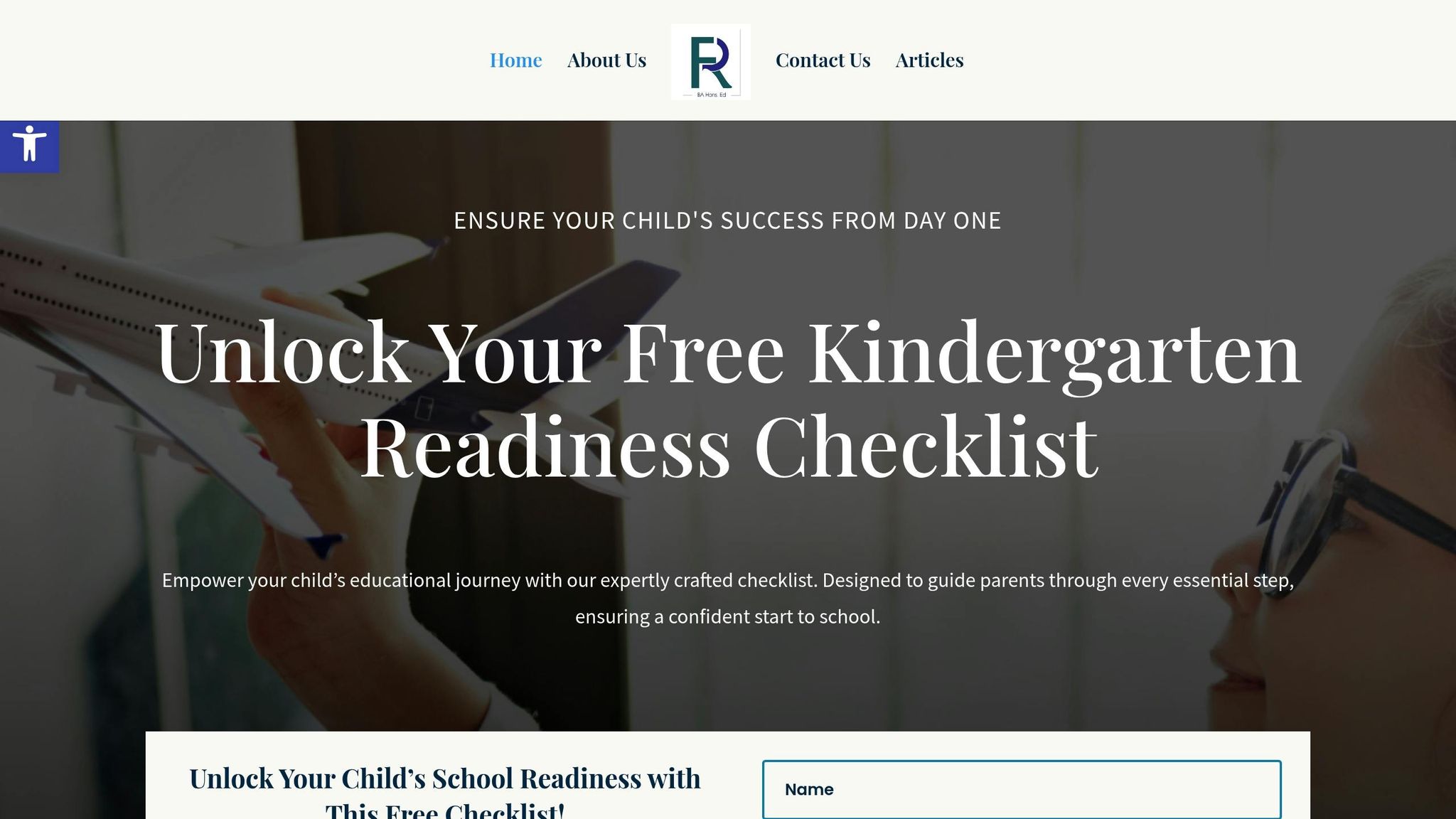
Fionadarocha provides a variety of materials designed to teach self-awareness in a simple and engaging way. Here’s a quick look at what’s available:
| Resource Type | Purpose | Key Features |
|---|---|---|
| Emotion Cards | Daily Check-ins | Visuals for feelings, discussion prompts |
| Activity Sheets | Self-Expression | Fun exercises and creative projects |
| Teacher Guides | Lesson Planning | Structured lessons with clear objectives |
| Parent Resources | Home Learning | Take-home activities and tracking tools |
The platform also includes the School Preparation Guide to help track developmental progress.
School Preparation Guide
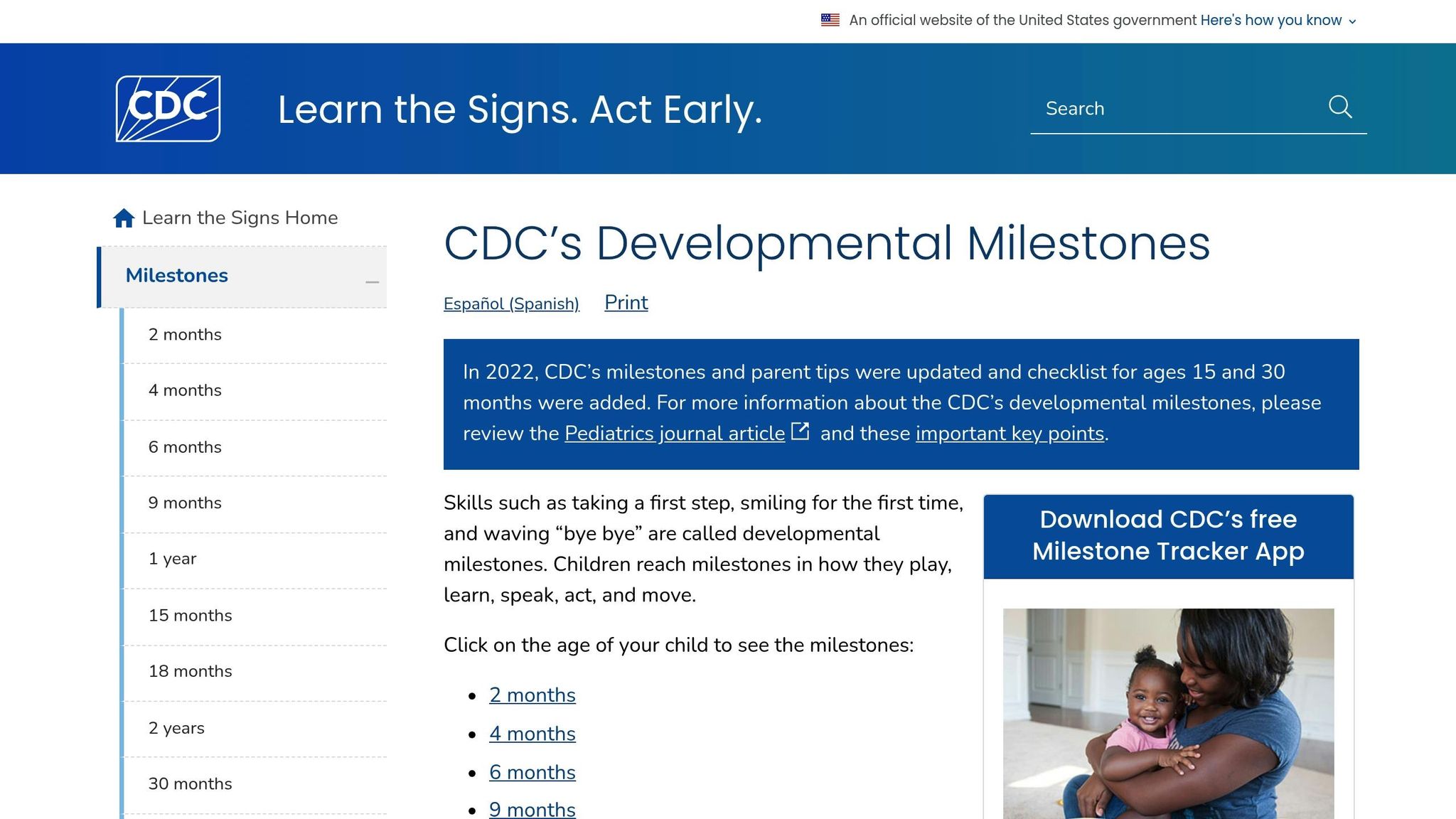
The free Kindergarten Readiness Checklist is a great tool for identifying key self-awareness milestones. It covers:
- Social-emotional development goals
- Self-regulation skill evaluations
- Steps for understanding personal identity
- Building a strong emotional vocabulary
"A fantastic tool for parents! It helpfully aligns with what we teach in the classroom and helps bridge the gap between home and school." – David K., Teacher
Ready-to-Use Learning Materials
Fionadarocha also offers practical resources to support daily self-awareness lessons. These include:
- Interactive Workbooks: Activities that inspire self-reflection
- Guided Activities: Step-by-step instructions for self-awareness exercises
- Progress Tracking Tools: Visual aids to monitor emotional growth
- Professional Development Resources: Training materials for educators
"Learning is Fun, no matter the subject." – Fiona Da Rocha
These materials are designed with preschoolers in mind, aligning with their developmental needs while keeping learning enjoyable. They also ensure a smooth connection between classroom lessons and home activities.
Summary
Main Points
Teaching preschoolers about self-awareness takes consistent effort and fun, engaging methods. Some effective strategies include showing self-awareness through your actions, using playful games, and fostering an environment where kids feel safe to explore their emotions and sense of identity.
Here are some key teaching methods and their benefits:
| Strategy | Purpose | Outcome |
|---|---|---|
| Daily Check-ins | Recognizing emotions | Builds self-reflection habits |
| Interactive Games | Encourages social skills | Promotes empathy and peer awareness |
| Identity Projects | Encourages self-expression | Boosts personal confidence |
| Group Activities | Strengthens community bonds | Enhances social understanding |
These methods not only enrich everyday learning but also set the stage for further development.
Long-term Benefits
Helping kids develop self-awareness early on gives them tools for managing emotions, forming relationships, building confidence, and achieving school readiness goals.
"Fiona’s insights are invaluable. The checklist is comprehensive and easy to follow, making it a great resource for parents and teachers alike." – G. Brennen, Teacher
Studies show that preschoolers with strong self-awareness skills tend to excel academically and adjust well socially when starting kindergarten. Structured activities and regular practice make a lasting difference in their growth.
If you would like these gentle practices woven into a wider plan for school readiness, my free Confident Beginnings Starter Kit is yours to keep.
Related posts
- 15 Fun Activities to Develop Fine Motor Skills in Preschoolers
- 8 Signs Your Child is Ready for Kindergarten
- Common Questions About Preschool Social Development
- Solving Common Preschool Separation Anxiety Issues

Meet Fiona da Rocha, a trailblazer in education with over two decades of expertise. At the heart of her mission to transform early education, Fiona empowers parents and teachers to ignite a passion for learning in children aged 3-9. Her approach? Joyful, child-led experiences that build confidence and foster talent exploration. Discover how she’s making learning a thrilling adventure at FionaDaRocha.com-where education meets empowerment and enthusiasm.